 Listicle
9 Best Emergency Tools for Car Lockouts
Last Updated: November 12, 2026
Quick Summary
The best emergency tools for car lockouts are full lockout kits that bundle air wedges, long-reach rods and protective sleeves. Air wedges are the gentlest option for paint and seals, while kits with a long-reach tool handle most standard door designs. For vehicles with side-curtain airbags, frameless windows or complex electronics, a professional locksmith is the safer choice.
- A 22-piece kit includes a 64-inch long-reach tool, suited to occasional drivers.
- Air wedges are inflatable and gentle on paint and weather stripping.
- Insert the wedge slowly at the top corner of the door, away from the lock.
- Stop and call a professional if the door frame starts to bend or you feel unexplained resistance.
- Check the key fob battery first, since a dead battery may still lock the car.
Table of Contents
- Why the Right Lockout Tool Matters Before You Need It
- Full Car Lockout Kits: The Best All-in-One Options
- Long-Reach Tools and Wedges for Common Lockouts
- Air Wedges, Lock Lifters and Button-Press Tools Compared
- Car Emergency Escape Tools Worth Keeping in Your Vehicle
- How to Use a Car Lockout Kit Safely
- Choosing Between a DIY Kit and a Professional Car Lockout Service
- Get Help From A-1 Locksmith if You Are Locked Out Now
- Frequently Asked Questions
A-1 Locksmith has been serving Huntsville since 1970, and car lockouts are a common reason people call for emergency help. Choosing the best emergency tools for car lockouts before you need them can turn a stressful afternoon into a ten-minute fix. This guide walks through the main categories of car lockout tools, what each one is built to do, and when a professional is the smarter call. Car lockouts are a common problem, and the right tool depends on your vehicle, your skill level and the situation.
Why the Right Lockout Tool Matters Before You Need It
A car lockout kit is a set of specialized tools designed to create a small gap at the door frame, reach the inside locking mechanism, or press a lock button without damaging the vehicle. Having the right tool in your trunk matters because improvised methods often scratch paint, tear weather stripping or bend the door frame. Keeping a kit ready also means you are not searching for a solution in the rain on the side of the road.
The reality is that a lockout tool only helps if you know what your car needs. Some vehicles respond well to a wedge and a long-reach rod, while newer models with keyless entry and advanced security systems often require a different approach or a locksmith's equipment. We recommend checking your owner's manual for any guidance on door lock access before buying a kit.
Full Car Lockout Kits: The Best All-in-One Options
A complete kit is the simplest starting point for most drivers because it bundles tools designed to work together: an inflatable air wedge, a long-reach rod, protective sleeves, and sometimes a lock lifter or button-press tool. The buying decision is less about piece count and more about reach, durability, portability, and whether the kit matches your door design.
A common pattern in current listings is three tiers. Lockout kit prices vary widely depending on the kit's reach, materials and build quality. Check current listings from sellers for pricing, and visit A-1 Locksmith's website for current prices on our services.
Here are the all-in-one kits that appear most often in current listings, organized by who they suit:
- Car Lockout Kit 22pcs with 64-inch Long Reach Tool: A 22-piece kit built around a 64-inch long-reach tool, according to its listing on Amazon. Best for occasional drivers who want a multi-piece set in one purchase and enough reach for most sedans and SUVs. Price was not shown in the research data.
- One Hand Jack Set: A long-reach set for vehicle lockouts offered by Access Tools USA at a list price of $129.95. Best for drivers who want a dedicated long-reach kit for light-condition lockouts and are willing to pay for a mid-range tool.
- Little Easy Deluxe Unlocking Tool Kit: An emergency access kit from Milton Industries listed at $50.17, with part number STC32908-KIT. Best for buyers who want a dedicated vehicle lockout kit at a lower price point and have a standard door design.
Selection criteria by user:
- Occasional driver: Prioritize portability and a clear contents list. A basic or mid-range kit that fits in the trunk and includes instructions is enough for a standard lockout.
- Roadside professional: Prioritize reach, durability, and replaceable tips. A mid-range or professional set with a longer rod and a sturdy pump will survive repeated use.
- First responder: Prioritize speed of setup and a kit that works across many door designs, including frameless windows and vehicles with side-curtain airbags. Check compatibility before relying on any single kit.
- Fleet operator: Prioritize standardized kits, storage cases, and a maintenance schedule so every vehicle carries a kit that is inspected and ready.
Watch out: piece count is a weak proxy for quality. A 22-piece kit with a flimsy pump can underperform a 6-piece kit with a sturdy pump and a well-machined rod. Check the pump type, rod material, and sleeve quality before comparing price.
Prices change and listings vary by seller, so confirm current pricing before you buy. Not every kit includes instructions, and a universal kit may not fit every vehicle, so check the contents list and the seller's compatibility notes before you order.
Long-Reach Tools and Wedges for Common Lockouts
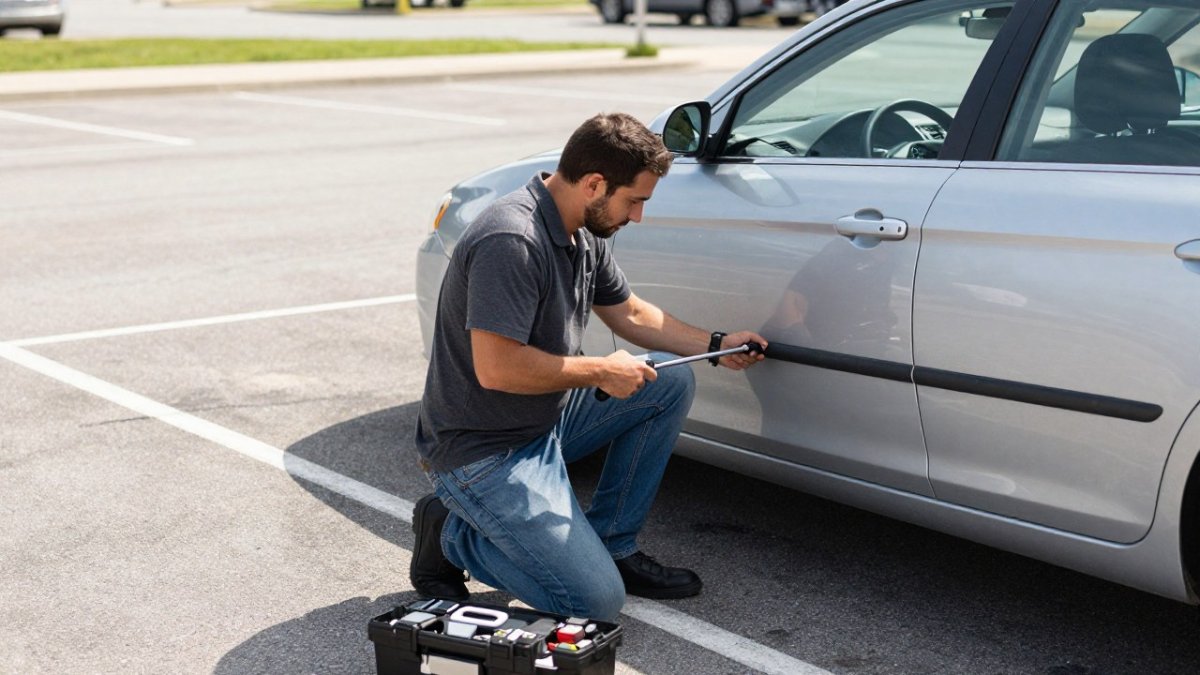
Long-reach tools and wedges handle the most common lockout scenario: the keys are inside and the door is closed. A wedge is slid into the door gap to create space, and a long-reach rod is then fed through to press the lock or pull the handle from inside.
Wedges come in three main materials:
- Plastic wedges: Lightweight and inexpensive, but they can crack under heavy force.
- Nylon wedges: Tougher than plastic and a good middle ground for most drivers.
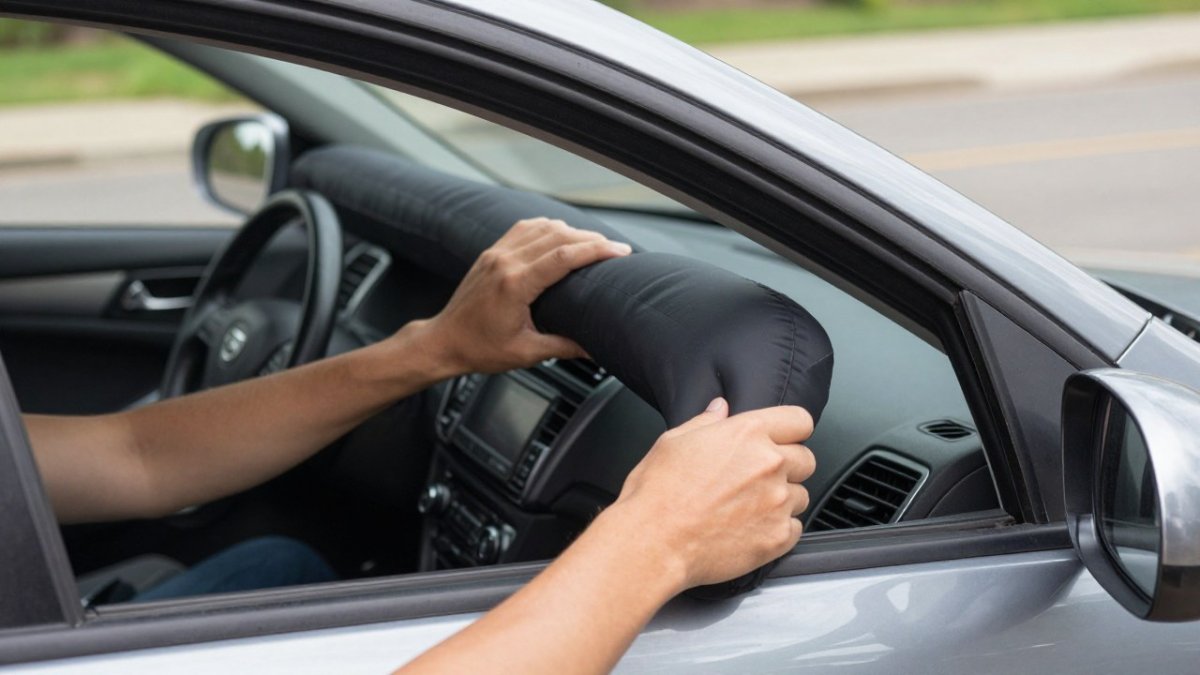
- Air wedges: Inflatable and gentle on paint and seals, which makes them the usual first choice for careful use.
A common mistake is forcing the wedge too far too fast. Insert it slowly at the top corner of the door, away from the lock, and inflate or tap gradually. Protective sleeves help prevent trim damage.
Air Wedges, Lock Lifters and Button-Press Tools Compared
Each tool type suits a different situation, so comparing them by use case makes the choice clearer. The table below summarizes the main options based on the product types in our research.
| Tool Type | How It Works | Best For | Main Drawback |
|---|---|---|---|
| Air wedge | Inflates to open a door gap | Careful, paint-safe entry | Requires a pump and steady hand |
| Lock lifter | Lifts the locking pin or button | Vehicles with exposed lock rods | Limited on modern door designs |
| Button-press tool | Presses the inside lock button through the gap | Quick entry on push-button locks | Needs a clear line to the button |
| Universal lockout tool | Adapts to several door types | General-purpose kits | May not fit every vehicle |
Car Emergency Escape Tools Worth Keeping in Your Vehicle
Beyond lockout kits, a few emergency escape tools are worth keeping in the car. Window-breaking tools and seat belt cutters are the most common, and they serve a different purpose: getting out of the vehicle in an emergency rather than getting in.
If you keep one of these, store it within reach of the driver's seat, not in the trunk. A tool you cannot reach during a crash or a fire is not useful. Check that any tool you buy is designed for vehicle emergencies and clearly labeled for that purpose.
How to Use a Car Lockout Kit Safely
Using a lockout kit safely protects both your car and you, and it starts before you touch a tool. Only use entry tools on a vehicle you own or are authorized to access.
Vehicle compatibility matters as much as technique. A universal kit may not work for every model. Door designs vary widely: some have exposed lock rods that a lock lifter can reach, some use push-button locks that a button-press tool can operate, and some have frameless windows or electronic locks that leave little room for a wedge.
The steps below apply to most air wedge and long-reach setups on a vehicle you own or are authorized to access. For a fuller walkthrough of the method, see the safe car door opening guide.
- Park safely and check the scene. Stop in a well-lit, secure spot if possible, and keep clear of traffic.
- Confirm authorization. Make sure you own the vehicle or have permission to access it.
- Locate the top corner of the driver's door. This is usually the safest point to create a gap, away from the lock and away from airbag components.
- Slide the protective sleeve over the wedge tip. This helps prevent scratches on paint and weather stripping.
- Insert the wedge slowly. Work it into the gap a little at a time.
- Inflate the air wedge gradually. Stop as soon as the gap is wide enough to insert the long-reach tool.
- Feed the tool through and press the lock or pull the handle. Move slowly and watch the mechanism.
- Remove the tools and check the door. Look for paint or seal damage before driving.
Stop immediately if you feel resistance you cannot explain, or if the door frame starts to bend. Forcing a door is how a simple lockout becomes an expensive repair.
Call roadside assistance, emergency services, or a locksmith instead of using a kit when:
- Children or pets are locked inside, or the vehicle is in a dangerous location
- The vehicle has side-curtain airbags, frameless windows, or complex electronics
- You are unsure whether a tool will damage the car
- You have tried a kit and the door will not open
Watch out: a key fob with a dead battery may still lock the car, so check the battery before assuming the lock is at fault.
Choosing Between a DIY Kit and a Professional Car Lockout Service
A DIY kit makes sense if you have a simple lockout, a vehicle with a standard door design and the patience to work carefully. It is less suitable for modern vehicles with side-impact airbags, keyless entry or electronic door systems, where a misstep can damage sensors or wiring.
Calling a professional is the better choice when:
- You have tried a kit and the door will not open
- Your vehicle has complex electronics or a high-value security system
- Your keys are locked inside a vehicle with children or pets
- You are unsure whether a tool will damage your car
Our team at A-1 Locksmith provides emergency lockout assistance in Huntsville and the surrounding area. We are licensed and insured, and we offer 24/7 emergency availability. Visit our Emergency Auto Lockout Service in Huntsville page to see what a professional lockout visit involves.
Get Help From A-1 Locksmith if You Are Locked Out Now
If you are locked out right now and a DIY kit has not worked, call A-1 Locksmith for fast, professional help. Our licensed and insured technicians have served Huntsville since 1970, and we handle automotive lockouts, key programming and replacement. If your lockout has damaged or lost a key, see our guide on how much transponder key replacement costs before you call, and check car key fob programming costs if a new fob is needed. You can also review our full range of services. Get in touch with A-1 Locksmith today to get back on the road.
Frequently Asked Questions
What are some good lockout tools for cars?
Common options include long-reach tools, air wedges with a hand pump, plastic or nylon wedges, and button-press or lock-lifter tools. Multi-piece car lockout kits bundle several of these together. Prices vary by brand, piece count and retailer, so check current listings before you buy. Match the tool to your vehicle: some newer cars with keyless entry and side-impact door systems need gentler methods or a professional.
What is the best tool to open a locked car door?
For most drivers, an air wedge paired with a long-reach tool covers the widest range of lockouts. The wedge creates a small gap at the door frame without prying hard, and the long-reach tool lets you press the lock or pull the handle. A kit with both gives you options if one method does not work on your door design.
Can a car lockout kit damage a vehicle?
It can, especially if you force a tool into the door gap. Scratches to paint, damaged weather stripping and bent trim are the most common problems. Use protective sleeves, insert wedges slowly, and avoid metal pry bars. If a door will not open after a few careful tries, stop and call a professional rather than risking damage to the window or lock mechanism.
When should I call a locksmith instead of using a lockout tool?
Call a locksmith if the car has keyless entry or a security system that a tool cannot safely reach, if you have already damaged a door seal, or if you are locked out with children or pets inside. A-1 Locksmith provides automotive lockout service and key programming. For a current quote, contact A-1 Locksmith directly.