 ultimate-guide
Emergency Locksmith Response Time Expectations
Table of Contents
- Understanding Emergency Locksmith Response Time Expectations
- Average Locksmith Arrival Time and What It Means
- Factors Affecting Locksmith Response Speed
- Urban vs. Rural Response Differences
- What to Do During a Home Lockout While Waiting
- How to Verify a Reliable Locksmith Before They Arrive
- Emergency vs. Non-Emergency Service and Cost Transparency
- Frequently Asked Questions
Last Updated: October 2, 2026
Understanding Emergency Locksmith Response Time Expectations
When you're locked out of your home or vehicle, every minute feels like an hour. The question everyone asks first is simple: how long will it actually take for help to arrive? At A-1 Locksmith, we've handled emergency lockouts across our service area, and the answer depends on far more than just picking up the phone.
Locksmith response time isn't a fixed number. It's shaped by geography, time of day, traffic conditions, and how many technicians are available when you call. Understanding what influences that arrival window helps you prepare mentally and take smart steps while you wait. This guide breaks down realistic expectations, the factors that matter most, and what you should do during those critical first minutes of a lockout.
The difference between a 15-minute arrival and a 45-minute one often comes down to decisions made before the emergency happens. Knowing what to expect removes the panic and lets you stay calm.
Average Locksmith Arrival Time and What It Means
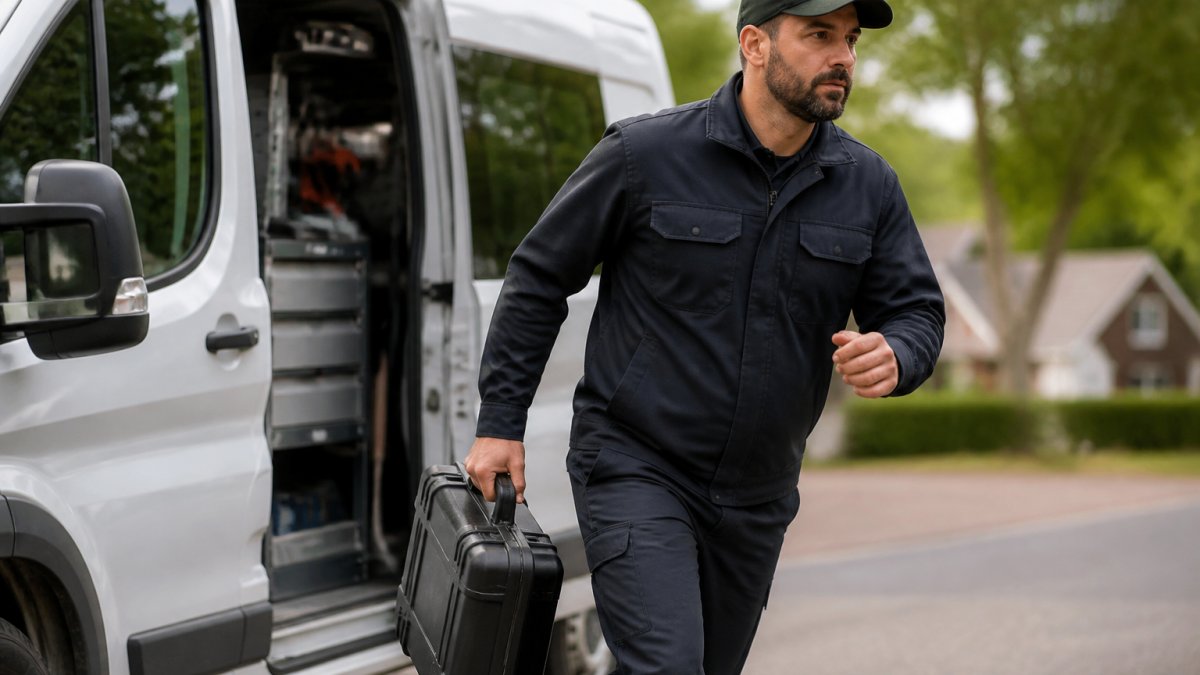
Most emergency locksmith services aim for arrival within 30 to 60 minutes from the time you call. That's the industry standard for urban and suburban areas with reasonable technician density. However, "average" masks important variation.
In densely populated zones, a reliable provider with multiple technicians on dispatch can often arrive in 20 to 30 minutes. Rural areas or low-density service regions frequently see 45 to 90 minute wait times simply because the nearest available technician is further away. A-1 Locksmith maintains a service radius from our Huntsville base, which means arrival times scale with distance from the city center.
What matters most is understanding that the quoted arrival window is rarely a guarantee. Dispatch systems estimate based on technician location, current workload, and traffic conditions at the moment you call. A technician might be 10 minutes away but stuck in unexpected congestion, or they might be 25 minutes away on an open highway. Professional locksmiths build in buffer time rather than promise impossible speed.
The key takeaway: expect 30 to 60 minutes as your baseline, but be prepared for variation. If a provider guarantees arrival in 15 minutes, that's often a red flag. They're either overpromising or they have technicians so nearby that they're not truly covering a meaningful service area.
Factors Affecting Locksmith Response Speed
Several specific factors determine whether you'll wait 20 minutes or two hours. Understanding these helps you set realistic expectations and choose a provider wisely.
Geographic location and service radius
Distance is the single largest factor in response time. A locksmith operating from a central location with multiple technicians can cover more ground faster than a solo operator. A-1 Locksmith's service radius from Huntsville means we can reach rural property owners in East Texas, but arrival times scale with distance from our base.
Urban density matters dramatically. In Huntsville proper, technician availability is higher and travel distances are shorter. Moving 20 miles into rural territory adds 20 to 40 minutes to typical arrival windows. Commercial zones with predictable traffic patterns often see faster response than residential areas with unpredictable congestion.
Service radius also reveals business model differences. Some providers claim to cover 150+ miles but maintain minimal technician staffing, creating bottlenecks. Others focus on a tight geographic area and staff accordingly. Narrower coverage with better staffing usually means faster, more reliable arrival.
Time of day and technician availability
A lockout at 2 p.m. on a Tuesday behaves very differently from one at 2 a.m. on a Saturday. Daytime lockouts during business hours benefit from full technician deployment. Most commercial and residential lockouts happen during working hours, so dispatch systems are optimized for that window.
Off-hours service, evenings, nights, weekends, and holidays, relies on rotating on-call technicians. Fewer people are available, so response times stretch. A 30-minute daytime arrival might become 60 to 90 minutes at midnight. Some providers staff night coverage more heavily than others; this is worth asking about when evaluating options.
Emergency vs. non-emergency designation also affects dispatch priority. True emergencies (lockout with no safe shelter, elderly person locked out, business unable to open) get priority routing. Routine lockouts get queued based on technician availability.
Traffic, weather, and seasonal demand
Weather is a hidden killer of response time. Heavy rain, snow, or ice slows traffic and makes driving hazardous, forcing technicians to move carefully. A 30-minute drive becomes 45 minutes in bad weather. Winter months in regions with seasonal weather see measurably slower response times.
Traffic patterns vary by region and time. Huntsville's peak commute hours (7-9 a.m., 4-6 p.m.) create congestion that adds 15 to 30 minutes to typical travel times. A technician dispatched during rush hour faces delays that off-peak calls don't encounter.
Seasonal demand spikes also matter. Spring and fall, moving seasons, see higher lockout volumes, straining dispatch capacity. Winter holidays create staffing challenges as technicians take time off. Summer vacation season similarly affects availability. Calling during high-demand periods means longer wait times simply because the entire industry is busier.
Urban vs. Rural Response Differences
The gap between urban and rural locksmith response time is substantial and worth understanding clearly.
Urban response times typically fall in the 20 to 40-minute range for established providers. High technician density, shorter travel distances, and predictable traffic patterns allow faster dispatch. A-1 Locksmith's Huntsville service area benefits from urban infrastructure: multiple technicians, concentrated call volume, and reasonable travel corridors.
Rural response times commonly stretch to 60 to 120 minutes. Technicians cover larger geographic areas, and the nearest available person might be 30 or 40 minutes away before even beginning work. Rural property owners in East Texas should expect 60 to 90-minute arrival windows as realistic rather than optimistic. This isn't a service failure, it's a function of geography and population density.
The trade-off is real. Rural areas have fewer locksmith options, which can mean less competitive pricing and fewer providers willing to serve remote locations at all. Some providers refuse rural calls or charge substantial trip fees to justify the distance. A-1 Locksmith's commitment to serving rural East Texas means we accept those longer arrival windows as part of serving our community.
Rural customers should plan differently. Knowing you might wait 90 minutes means having a backup plan: a trusted neighbor with a spare key, a family member nearby, or a safe waiting location. Urban residents can often rely on faster response and plan more casually.
What to Do During a Home Lockout While Waiting
The time between calling for help and technician arrival is critical. Smart actions during this window keep you safe and reduce stress.
First, verify your lockout is genuine. Check all doors and windows to confirm entry isn't possible. Many people assume they're locked out when they've actually left a back door or garage door unlocked. A few minutes of verification can save you a service call.
If you're truly locked out, move to a safe location. Don't stand outside in extreme heat or cold. If weather is severe, ask a trusted neighbor if you can wait inside their home. This is especially important for children, elderly family members, or anyone with health conditions sensitive to temperature.
Call your locksmith provider and give accurate information: your address, the type of lockout (home, vehicle, commercial), and your location within the property if relevant. Provide a phone number where they can reach you. Ask for an estimated arrival window, most professionals will give you a realistic 15 to 30-minute band rather than a specific time.
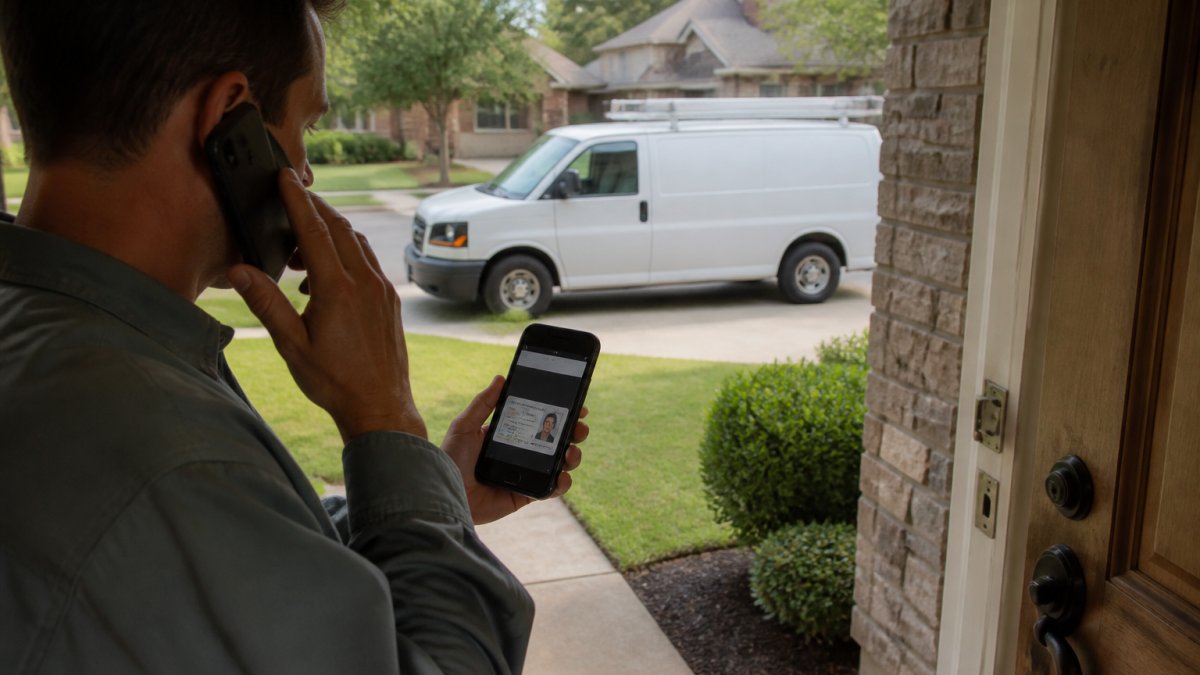
While waiting, gather documentation. Have your ID ready, proof of residency (utility bill, lease, deed), and any relevant keys or documentation. Professional locksmiths verify ownership before opening doors; being prepared speeds the process. If you're locked out of a rental property, have your lease or landlord contact information available.
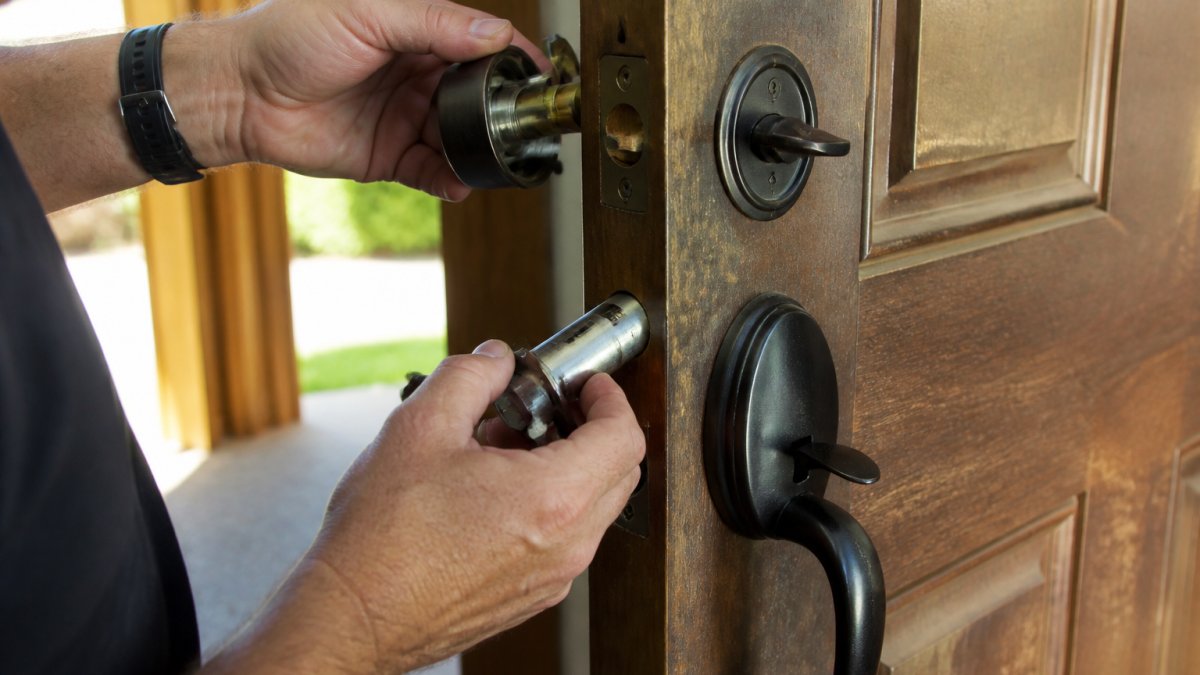
Avoid DIY attempts that risk property damage. Trying to pick a lock, force a door, or break a window creates costly problems. Modern locks are engineered to resist casual tampering. A locksmith can open most residential locks in minutes without damage; amateur attempts often cause hundreds of dollars in damage.
How to Verify a Reliable Locksmith Before They Arrive
Choosing a locksmith quickly during a lockout is stressful, but verification matters. A few key checks protect you from unreliable providers and hidden fees.
Emergency vs. Non-Emergency Service and Cost Transparency
The distinction between emergency and non-emergency locksmith service directly affects both response time and pricing. Understanding this difference prevents surprises.
Frequently Asked Questions
What is a reasonable response time for an emergency locksmith?
A reasonable emergency locksmith response time typically ranges from 30 minutes to 1 hour in most service areas, depending on location and current demand. Urban areas with higher technician density often see faster arrivals, while rural locations may take longer. When you call, ask for an estimated arrival window rather than a guaranteed time, this helps set realistic expectations. Licensed locksmiths will provide honest estimates based on their current dispatch queue and your location.
What factors influence how fast a locksmith can reach me?
Several factors affect locksmith response speed: your distance from the dispatch center, current technician availability, traffic conditions, weather, and the time of day you call. Peak hours and late-night calls may increase wait times due to limited technician availability. Geographic constraints, such as rural service areas or locations far from main roads, naturally extend arrival times. Seasonal demand spikes also play a role, winter months often see increased lockout calls, which can slow response times across the board.
How can I tell if a locksmith is reputable before they arrive?
Ask for proof of licensing and insurance before scheduling, reputable locksmiths will provide this information immediately. Verify their business name matches what appears on their vehicle and identification. Check if they offer transparent pricing upfront rather than vague estimates. Request an ETA and ask about their call center efficiency and dispatch process. Licensed professionals will have verifiable credentials and won't pressure you into services you didn't request. A trustworthy locksmith will also explain what they're doing and why, especially during on-site assessment.
What should I do while waiting for an emergency locksmith to arrive?
Stay in a safe location, preferably indoors or in a well-lit area if you're outside. Keep your phone accessible for the locksmith to call when they're nearby. If it's late at night, wait in a public space or with a trusted neighbor rather than alone outside. Have your identification and proof of residence ready to verify you live there. Avoid attempting DIY solutions that could damage locks or doors, as this may increase costs. Stay calm and use the wait time to gather information about what led to the lockout.