 Comparison
Rekeying vs Replacing Door Locks: Complete 2026 Guide
Table of Contents
- Rekeying vs Replacing Door Locks: What's the Difference
- Cost to Rekey a Lock vs Replacement
- When to Rekey Locks
- How Long Does It Take to Rekey a Lock
- Rekey Locks to Match One Key: Unified Access Management
- Security, Compatibility, and Damage: When Replacement Is Necessary
- Decision Guide: Should You Rekey or Replace
- Frequently Asked Questions
Last Updated: October 18, 2026
Rekeying vs Replacing Door Locks: What's the Difference
When you need to change access to your home, you face a critical decision: rekeying vs replacing door locks. The choice affects your security, budget, and timeline.
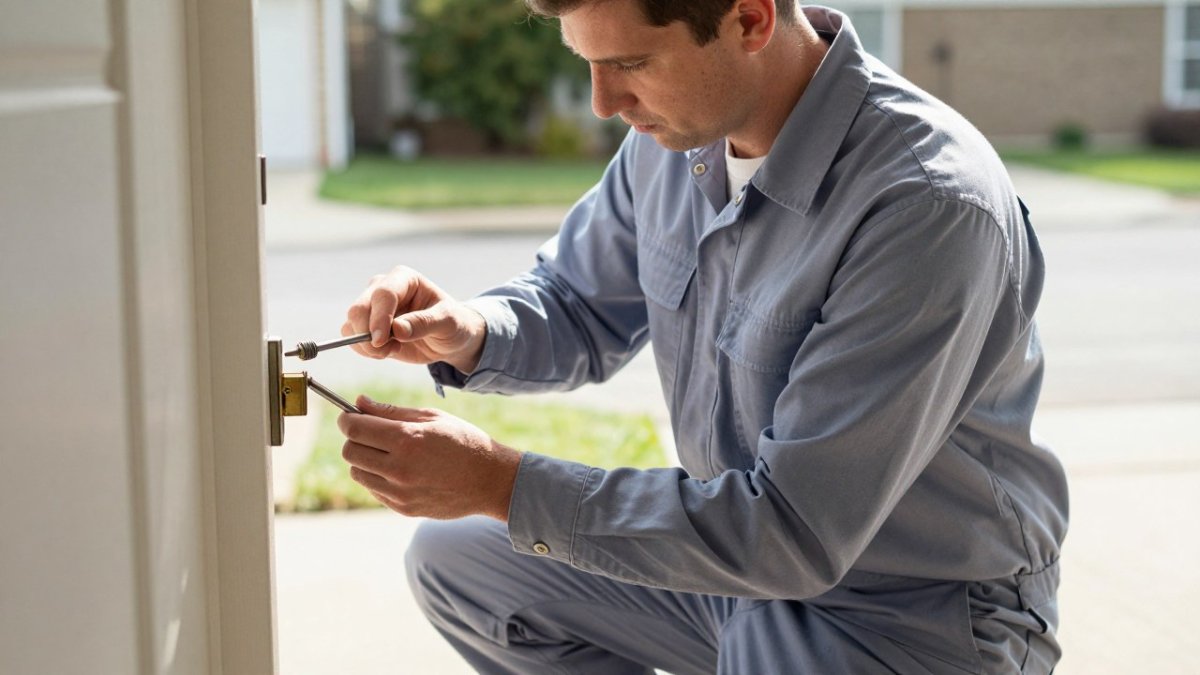
Rekeying a lock means changing the internal pins so the existing lock works with a different key. The hardware stays in place.
Replacing a lock means removing the entire lock assembly and installing new hardware. The old lock comes off completely. You get a brand-new lock body, cylinder, and mechanism. This is a full hardware swap, not just a key change.
The practical difference matters. Replacement is necessary when the lock is damaged, worn, or when you want to upgrade to better hardware like a smart lock or high-security mechanism.
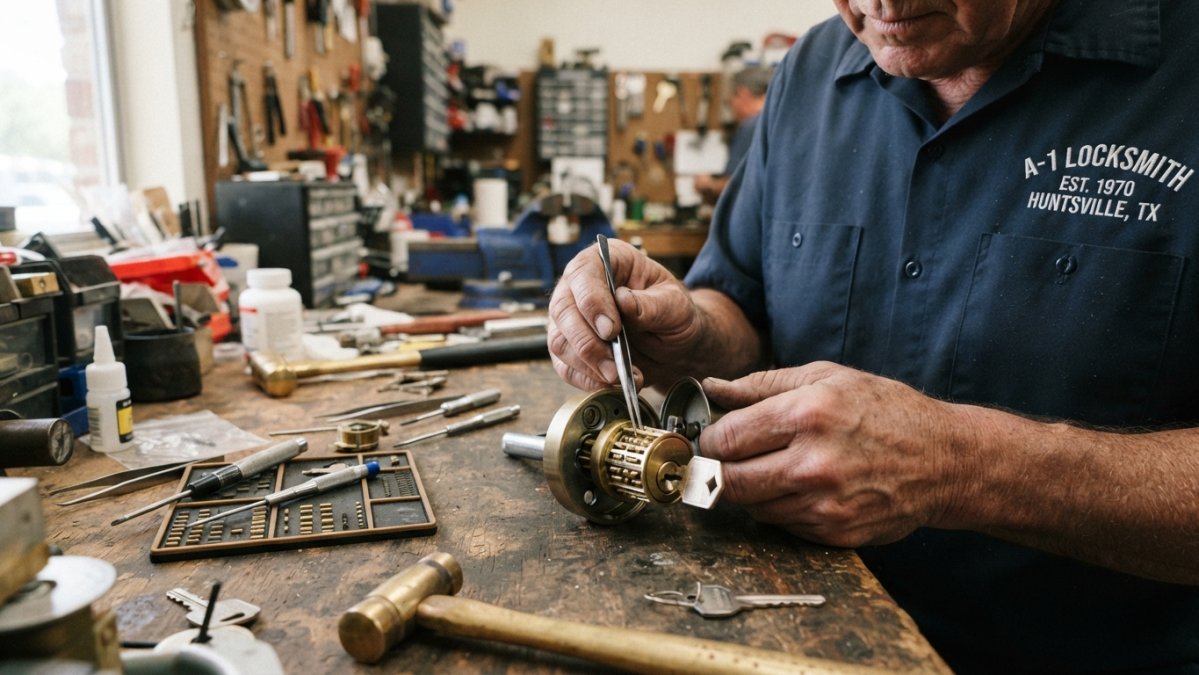
What Rekeying a Lock Means
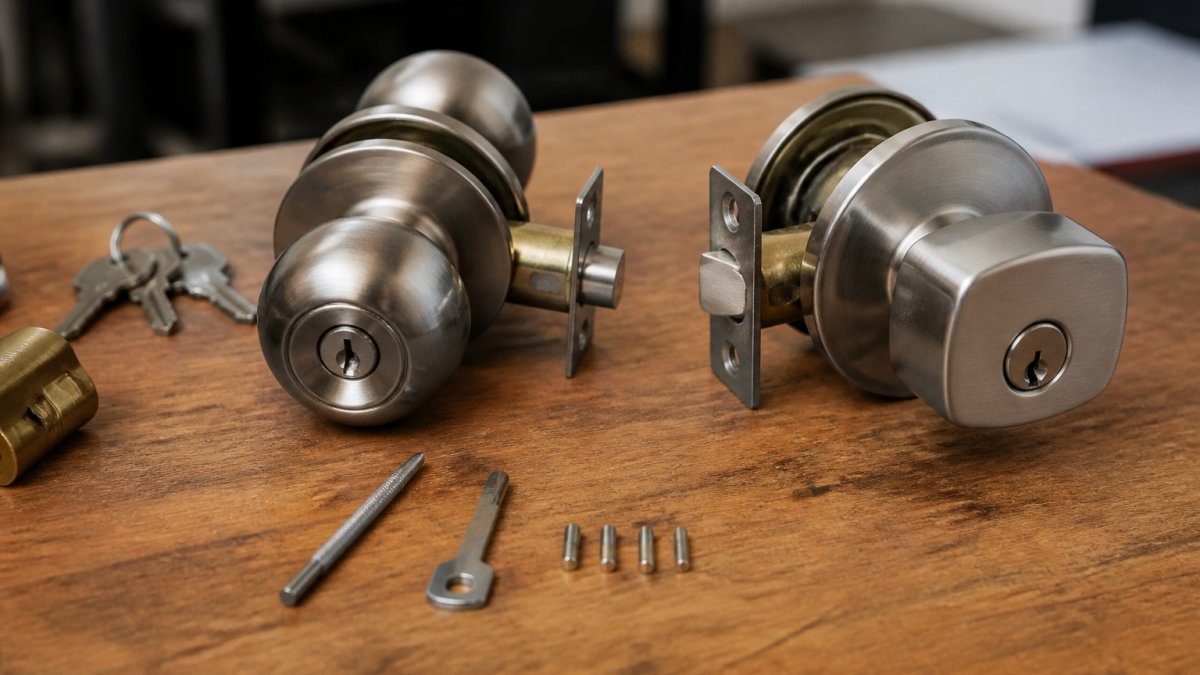
Rekeying is a targeted fix for key control. The locksmith accesses the lock cylinder, removes the pins inside, and replaces them with a new configuration. That new pin arrangement matches your new key. The lock body, strike plate, and mounting hardware all stay exactly where they are.
This process works because all pin tumbler locks operate the same way: the correct key lifts pins to a specific height, allowing the cylinder to turn. By changing which pins go where, a locksmith creates a lock that only your new key can operate. Your old key no longer works.
Rekeying makes sense when you've lost your keys, moved into a home where you don't trust the previous owner's key copies, or need to consolidate multiple locks to work with a single key. It's also the right choice when your lock mechanism works perfectly but you need fresh key control.
What Replacing a Lock Means
Replacing a lock means the entire assembly comes out and new hardware goes in. The locksmith removes screws, takes off the interior and exterior lock components, and installs a completely different lock in its place. You get a new cylinder, new pins, new springs, and a new key.
Replacement is necessary when the lock is damaged, corroded, or no longer functions smoothly. It's also the choice when you want to upgrade to a different type of lock: from a basic keyed deadbolt to a smart lock, from a standard pin tumbler to a high-security restricted keyway, or from a worn exterior lock to a weatherproof commercial-grade mechanism.
When you replace a lock, you're not just changing keys. You're changing the entire security mechanism. That matters if you want better materials, enhanced security features, or compatibility with a new system.
Cost to Rekey a Lock vs Replacement
Cost differences between rekeying and replacing are significant enough to influence your decision.
Rekeying typically costs less because the locksmith is working with existing hardware. The service call, labor, and new pins represent the main expenses. Since your current lock stays in place, there's no hardware cost.
Replacement costs more because you're buying new hardware plus installation labor. The price of a new lock varies widely based on quality and type. A basic keyed deadbolt costs less than a smart lock or high-security mechanism. Installation labor adds to the total.
However, the cost gap narrows when you consider long-term value. A new high-security lock or smart lock may offer features that justify the higher upfront cost. If your existing lock is old, worn, or unreliable, replacement eliminates future repair calls.
For multiple locks, rekeying all of them to work with one key (called keying alike) costs less than replacing multiple locks with new hardware.
| Factor | Rekeying | Replacement |
|---|---|---|
| Hardware cost | None | Yes, varies by lock type |
| Labor intensity | Lower | Higher |
| Time to complete | 15-30 minutes per lock | 30-60 minutes per lock |
| Best for | Key control, working locks | Damaged locks, upgrades |
| Long-term value | Short-term fix | Long-term investment |
When to Rekey Locks
Rekey your locks when key control is the problem, not the lock itself. This applies in several common situations.
Moving into a new home. You don't know how many copies of the previous owner's key exist. Rekeying all exterior locks ensures only your keys work.
Lost or stolen keys. If your keys go missing, rekeying prevents anyone who found them from accessing your home. This is faster and cheaper than replacing every lock.
Tenant turnover. Landlords rekey between tenants to ensure the previous tenant can't return. Rekeying is cost-effective when managing multiple properties.
Employee or contractor access changes. If someone who had a key no longer works for you or needs access, rekeying removes their ability to enter without replacing hardware.
Rekeying is NOT the right choice if your lock is physically damaged, corroded, or no longer functions smoothly.
How Long Does It Take to Rekey a Lock
Rekeying a single lock typically takes 15 to 30 minutes for a professional locksmith. The exact time depends on the lock type, how accessible it is, and whether the locksmith has the right pins on hand.
For a standard residential deadbolt in good condition, expect the shorter end of that range. If the lock is stiff, corroded, or difficult to access, it may take closer to 30 minutes.
When rekeying multiple locks to work with one key (keying alike), the total time increases. A locksmith might rekey three exterior doors in 45 minutes to an hour, depending on accessibility and lock conditions.
Compare this to lock replacement, which typically takes 30 to 60 minutes per lock because the locksmith must remove the old hardware, prepare the door, and install new components.
The time difference is one reason rekeying appeals to homeowners in a hurry. If you need quick key control changes, rekeying delivers faster results than replacement.
Rekey Locks to Match One Key: Unified Access Management
Rekeying multiple locks to work with a single key is called keying alike or master keying. It's a practical solution for homeowners who want one key to open their front door, back door, garage entry, and gate.
This approach works by configuring each lock with the same pin arrangement. Your single key lifts all the pins to the correct height in every lock.
Keying alike is especially valuable for:
- Homeowners with arthritis or mobility challenges who benefit from carrying one key instead of multiple
- Rental properties where the landlord wants unified access across all units
- Commercial properties where a master key system controls access to multiple doors
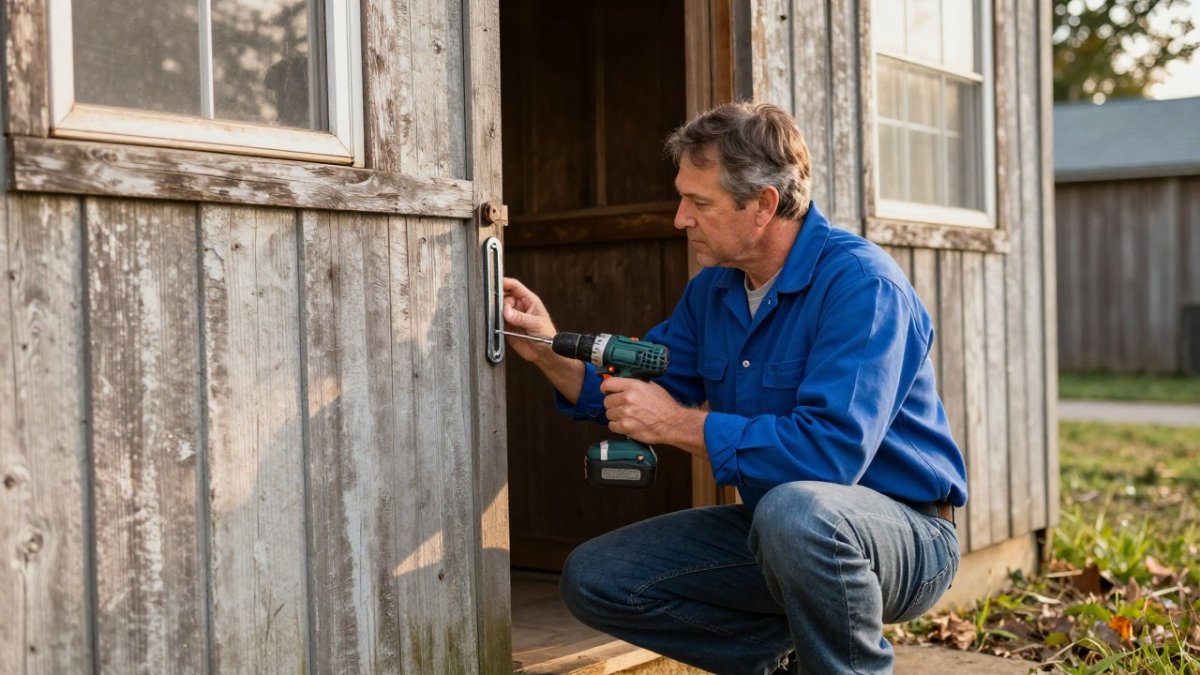
- Rural properties with multiple outbuildings and gates
The process is straightforward: the locksmith rekeyes each lock individually, configuring the pins to match a master key specification. When done correctly, every lock responds to the same key.
One limitation: if you lose your master key, the locksmith must rekey every lock again. This is why some homeowners keep a spare master key in a secure location separate from the primary key.
A-1 Locksmith provides master key systems for residential and commercial properties. We can design a keying scheme that balances convenience with security, ensuring your unified access system works reliably for years.
Security, Compatibility, and Damage: When Replacement Is Necessary
Rekeying has limits. When your lock has physical problems or you need advanced security features, replacement is the only solution.
Lock damage. If the lock is corroded, broken, or no longer turns smoothly, rekeying won't help. The internal mechanism is compromised. Replacement fixes the problem permanently.
Restricted keyway systems. High-security locks use proprietary pin and keyway designs that prevent unauthorized key duplication. Standard rekeying can't convert a basic lock into a restricted keyway system. You must replace the lock entirely.
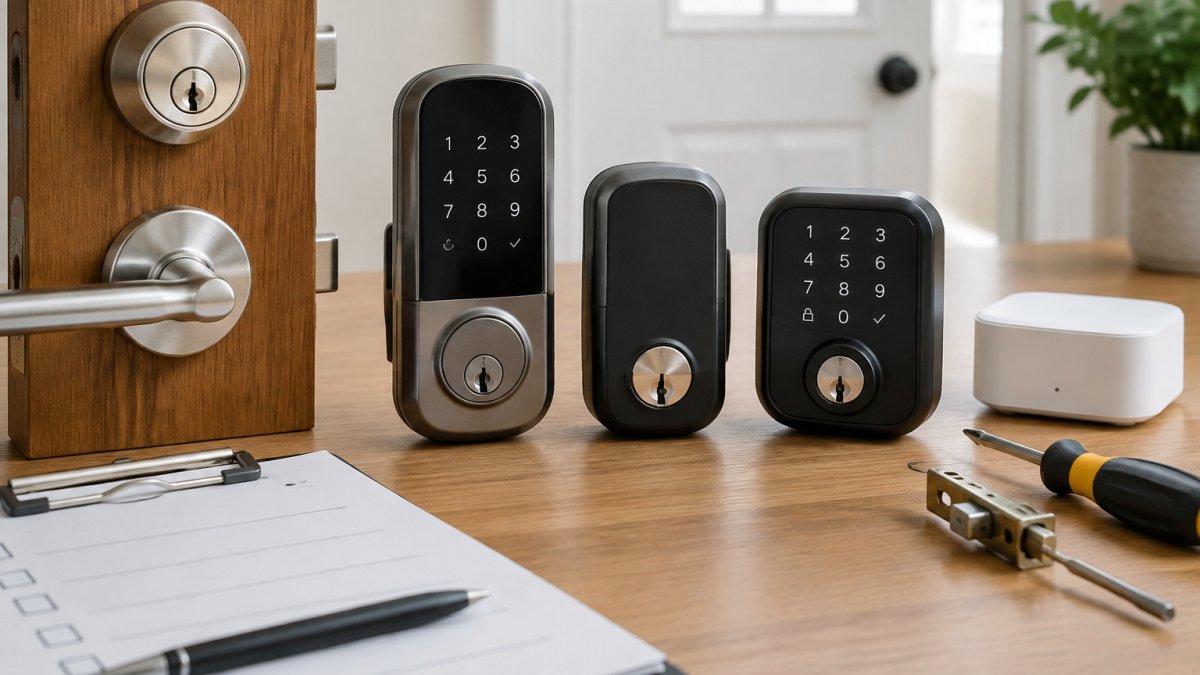
Smart lock upgrades. If you want to move from a traditional keyed lock to a smart lock with keypad, fingerprint, or mobile app access, replacement is mandatory.
Compatibility issues. Some older locks have non-standard dimensions or mounting patterns that make modern replacement difficult. In rare cases, rekeying the existing lock is more practical than replacement.
Security downgrades. If you're concerned about the security level of your current lock, replacement with a higher-grade mechanism provides better protection.
Replacement also makes sense if you're upgrading your home security system. New locks can integrate with smart home systems, provide better weatherproofing, or offer keying options that rekeying can't match.
Decision Guide: Should You Rekey or Replace
Use this framework to decide which option fits your situation.
Start with the lock's condition. Does the lock turn smoothly? Does the key operate without resistance? If yes, the lock is likely a candidate for rekeying.
Consider your security goals. Do you simply need different key control with your existing hardware? Rekeying solves that.
Evaluate your timeline. Rekeying is faster. If you need access control changed today, rekeying delivers results in under an hour.
Factor in your budget. Rekeying costs less upfront. Replacement costs more but provides new hardware with a warranty and potentially better features.
Assess the number of locks. If you need to change key control on one or two locks, rekeying is efficient.
Plan for the future. If you're settling into a home long-term, replacement with quality hardware may offer better value than rekeying an old lock today and replacing it in five years.
When you're unsure, a professional locksmith inspection clarifies the situation. At A-1 Locksmith, we evaluate your locks, explain your options, and recommend the solution that makes sense for your property and security goals. Our licensed technicians can guide you toward the most cost-effective, reliable choice.
Frequently Asked Questions
What is the difference between rekeying and replacing a door lock?
Rekeying a lock changes the internal pins so the lock works with a new key while keeping the existing hardware. Replacing a lock removes the entire lock assembly and installs new hardware. Rekeying is faster and less expensive when the lock body is undamaged; replacement is necessary when the lock is broken, worn, or you want to upgrade to a different lock type or security level.
Is it cheaper to rekey or replace door locks?
Rekeying is generally more affordable because it reuses your existing lock hardware and requires less labor. Replacement involves purchasing new lock hardware and installation, making it a larger investment. The exact cost depends on the number of locks, lock type, and whether you're upgrading to a higher-security option. Contact a licensed locksmith for a quote based on your specific situation.
When should you rekey your door locks?
Rekey locks after moving into a home to prevent previous owners or tenants from accessing your property. Also rekey after losing keys, having keys stolen, or when a household member moves out. Rekeying is ideal when you want to consolidate multiple locks to work with one key for convenience and access control. If the lock is damaged or you need enhanced security features, replacement may be better.
Can a locksmith rekey all the locks to use one key?
Yes, a professional locksmith can rekey multiple locks in your home to work with a single key. This is called keyed-alike service and is useful for managing access across exterior doors, garage doors, and outbuildings. The locksmith adjusts the internal pins in each lock to match a master key system. This service is especially valuable for property owners managing multiple access points.
How long does it take to rekey a lock?
Rekeying a single lock typically takes 15 to 30 minutes, depending on the lock type and complexity. A professional locksmith can usually rekey multiple locks in a home within 1 to 2 hours. The exact timeframe depends on the number of locks, their condition, and whether you want them keyed alike. Lock replacement takes longer because it involves removing old hardware and installing new locks.
Securing your home starts with the right access decisions. Whether you need rekeying for quick key control changes or replacement for a security upgrade, the choice depends on your lock's condition, your security goals, and your timeline. Get in touch with A-1 Locksmith and let our licensed technicians evaluate your locks and recommend the best solution for protecting your property.